
Why Pallet Networks Are More Resilient in UK Pallet Distribution
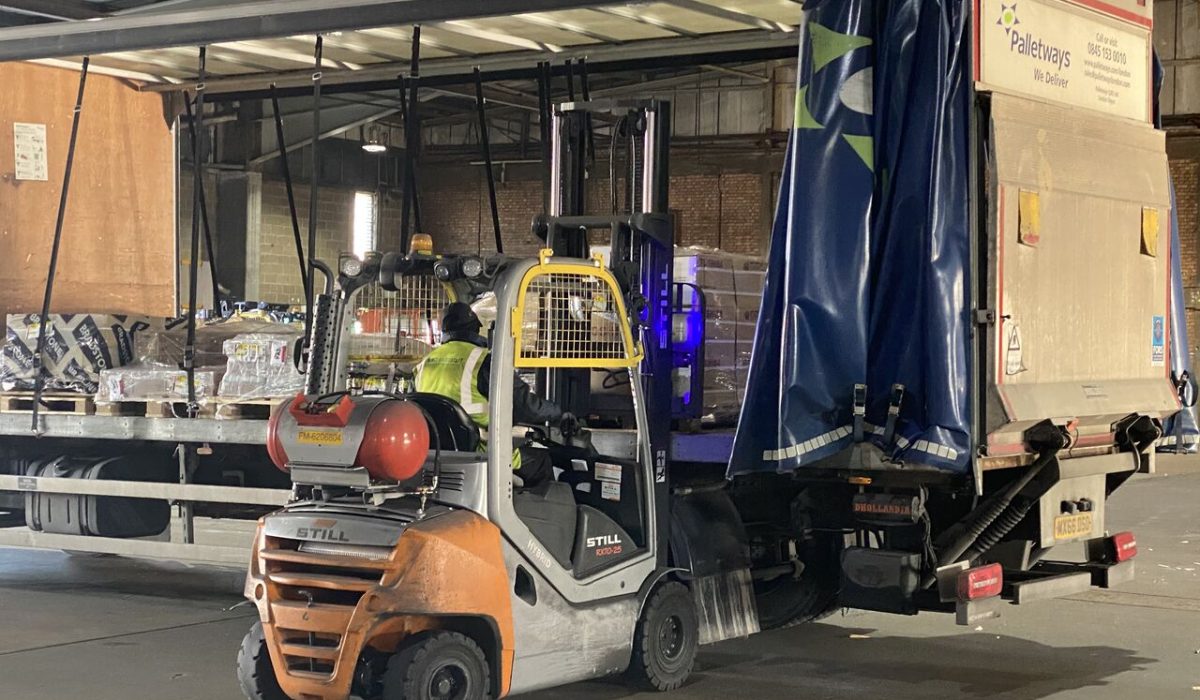
Greater Stability in Pallet Distribution Volumes
Pallet networks tend to handle a diverse mix of freight, including B2B pallet distribution, B2C deliveries, eCommerce orders and one-off pallet movements. This breadth of work helps smooth peaks and troughs in demand.
Many traditional haulage companies are heavily reliant on one or two major contracts. If a key customer is lost, the business can quickly become unviable. We’re always saddened by the loss of a member from our network. But with over 140 UK members, Palletways’ volume is spread across sectors, customers and regions, creating a more balanced and sustainable flow of work.
Are Pallet Networks Completely Immune From Closures?
Despite their resilience, pallet networks are not immune to closures at depot level. Rising operating costs, driver shortages and local economic factors can still cause individual members to struggle or exit the network. However, the key distinction is that the failure of a single depot does not threaten the network as a whole.
From a customer perspective, pallet distribution services usually continue uninterrupted, as other members step in to cover the affected areas. This continuity is one of the main reasons pallet networks are trusted for national distribution.
Systemic Risks Still Exist
Pallet networks must still manage broader industry pressures such as fuel volatility, regulatory changes and labour shortages. Additionally, poor hub management or underinvestment in infrastructure could pose wider risks if not properly controlled.
Established pallet networks mitigate these risks through long-term investment, automation, operational redundancy and conservative financial planning. While systemic failures are rare, they underline the importance of strong governance within pallet distribution networks.
